Between authority, reserve, and physical ease
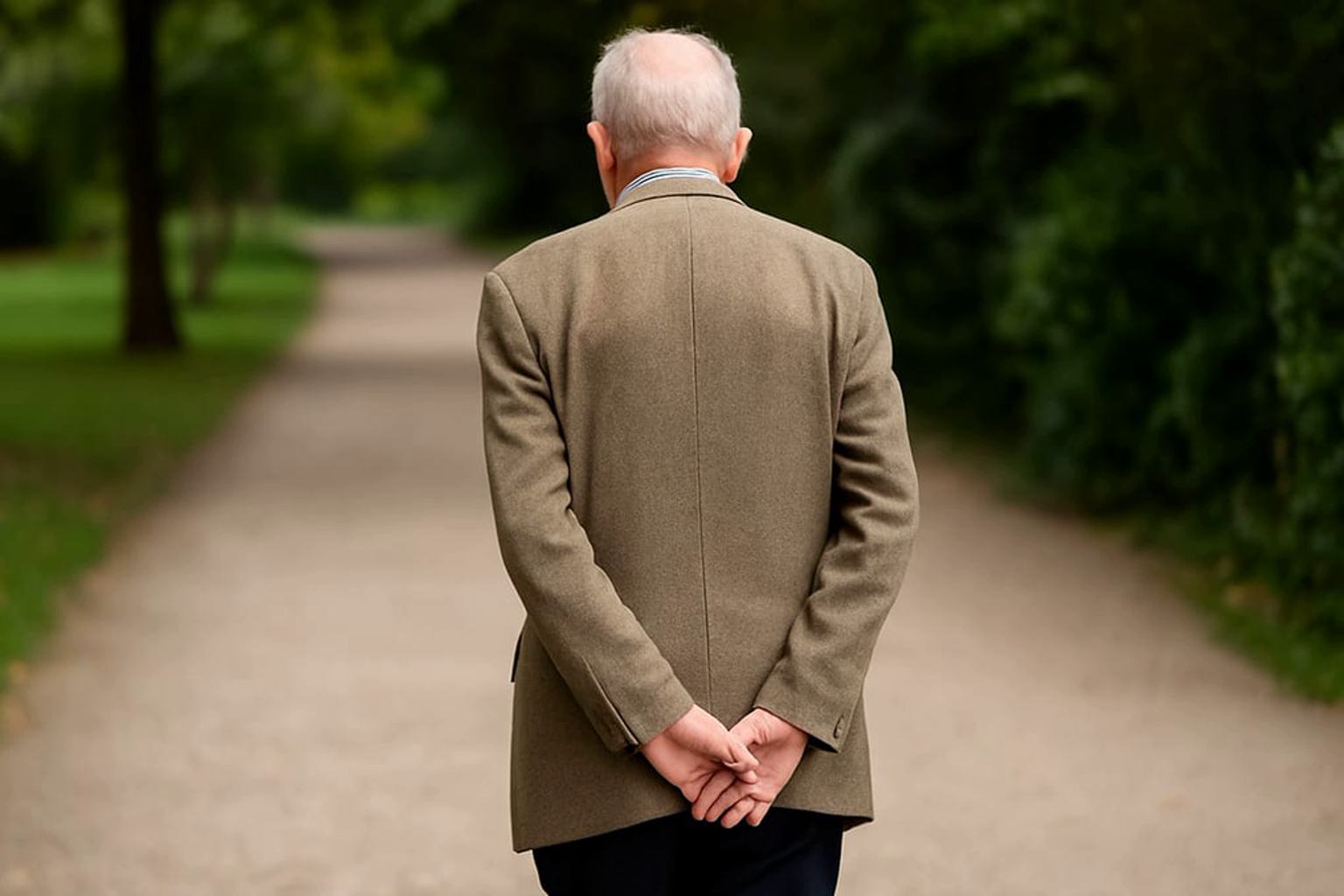
Depending on where it’s used, the same gesture may carry different meanings. In formal settings – ceremonies, official gatherings, or parades—it signals discipline, decorum, and composure. In other contexts, it may also hint at emotional distance or a degree of personal reserve, as if the person were turning inward.
But there’s no need to overinterpret it: many individuals simply find this posture physically comfortable. It lets the arms rest, releases tension from the shoulders, and makes walking smoother and more balanced. It’s a natural choice, especially when standing for a long time or strolling slowly.
When psychology enters the picture
Behavioral experts view this stance as an indicator of self-control and emotional steadiness. It’s often associated with moments of observation, focus, or analysis—times when the mind is engaged in thinking rather than acting.
Some theories even trace it to ancient instincts: when the environment feels safe, the body stops signaling alertness. Walking with hands behind the back may be a subconscious message that says, “I’m safe, and I’m in control.”